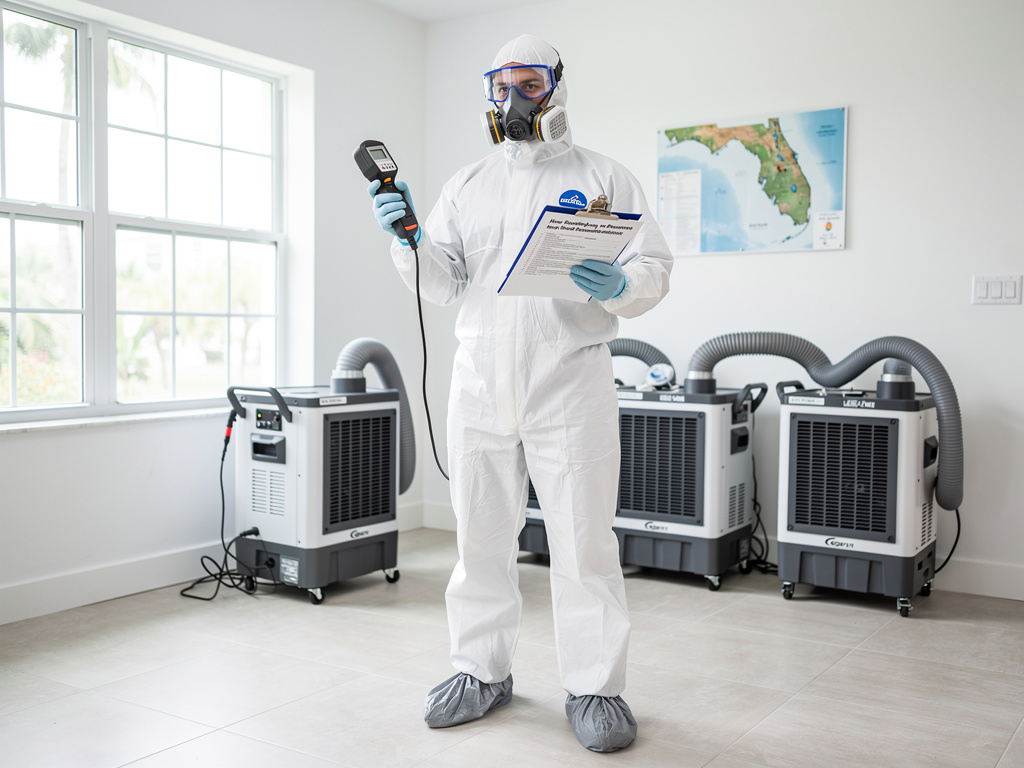
Understanding Flooding and Mold Growth in West Palm Beach
West Palm Beach, FL, faces unique challenges with flooding, particularly in flood zones identified by FEMA and vulnerable coastal neighborhoods such as Northwood, Grandview Heights, and El Cid. Seasonal king tides and storm surge events from hurricanes categories 1 through 3 introduce substantial water intrusion, creating ideal conditions for mold proliferation. Mold spores, including Stachybotrys chartarum—commonly known as black mold—thrive in damp environments, especially when moisture lingers after floodwaters recede.
The Role of King Tide Flooding and Storm Surges
King tides, the highest predictable tides of the year, frequently overflow coastal barriers, inundating streets and homes in neighborhoods like El Cid. When combined with storm surges during hurricanes or tropical storms, floodwaters often carry contaminants such as saltwater, sediments, and sewage. This contamination not only worsens mold growth but also complicates remediation efforts, requiring specialized cleaning and antimicrobial treatments to fully sanitize affected areas.
How Storm Surge Contamination Affects Mold Remediation Needs
Storm surge flooding introduces a mix of category 1 to 3 contaminants into homes and businesses, ranging from relatively clean rainwater to highly contaminated sewage. In West Palm Beach’s low-lying areas, floodwaters can bring bacteria, viruses, and chemical pollutants that exacerbate mold colonization. Remediation professionals must adhere to IICRC standards, employing HEPA filtration devices to remove airborne spores and applying EPA-approved antimicrobial agents to inhibit further mold growth.
Why Sewage Contamination Elevates Mold Risks
Sewage intrusion during floods introduces organic matter and pathogens that stimulate aggressive mold growth. Homes in neighborhoods like Northwood are particularly vulnerable due to aging infrastructure and combined sewer overflow risks during heavy rain or storm events. The presence of sewage contamination necessitates immediate remediation to prevent health hazards such as respiratory issues and allergic reactions caused by molds including Stachybotrys chartarum.
FEMA Flood Insurance and Mold Coverage Insights
Many West Palm Beach residents rely on FEMA flood insurance to protect their property investments. However, it’s important to understand that standard FEMA flood insurance policies often exclude coverage for mold damage unless it results directly from a covered flood event and remediation begins promptly. Homeowners should document damage thoroughly and consult their insurance agents about mold coverage to ensure timely claims and remediation.
Post-Flood Mold Remediation Timeline and Best Practices
The timing of mold remediation is crucial for effective restoration. According to the EPA and IICRC guidelines, mold growth can begin within 24-48 hours after flooding. For homeowners in West Palm Beach’s flood-prone neighborhoods, immediate water extraction and drying are essential. Delays increase the risk of extensive mold colonization that can damage building materials and compromise indoor air quality.
- Initial Assessment: Inspect flood damage and identify moisture sources within 24 hours.
- Water Removal: Use pumps, wet vacuums, and dehumidifiers to extract and dry water within 48 hours.
- Containment: Set up physical barriers and apply negative air pressure with HEPA filtration to limit mold spore spread.
- Cleaning and Disinfection: Remove contaminated materials and apply EPA-approved antimicrobial treatments.
- Restoration: Repair or replace damaged structures, ensuring moisture control to prevent mold recurrence.
Neighborhood Spotlight: Northwood, Grandview Heights, and El Cid
Northwood and Grandview Heights stand out as two of West Palm Beach’s historic neighborhoods experiencing increased flooding frequency due to rising sea levels and king tides. These areas often face prolonged moisture exposure, which accelerates mold outbreaks requiring expert remediation. El Cid, located closer to the coast, contends with storm surge flooding that introduces saltwater contamination, further complicating mold removal efforts. Residents in these neighborhoods benefit from mold remediation professionals who understand local flood dynamics and employ advanced techniques to restore safe indoor environments.
The Science Behind Mold Growth and Health Risks
Mold spores are ubiquitous in the environment, but flooding creates a perfect storm for rapid growth. Moisture infiltrates porous materials such as drywall, wood, and carpets, providing a nutrient-rich environment for species like Stachybotrys chartarum. Exposure to mold can cause allergic reactions, asthma exacerbations, and other respiratory problems. The EPA emphasizes the importance of thorough mold remediation using HEPA filtration and antimicrobial treatments to reduce health risks and prevent structural damage.
Why Choosing Certified Professionals Matters
Flood-related mold remediation requires specialized knowledge and equipment. Certified technicians follow IICRC protocols to assess contamination levels, safely remove mold colonies, and restore indoor air quality. Improper cleanup can leave behind mold spores and contaminants, leading to recurrent growth and ongoing health risks. West Palm Beach Mold Remediation Pros, located at 2101 Vista Pkwy, West Palm Beach FL 33411, provide expert services tailored to the region’s flood and mold challenges. Call (561) 594-5900 for professional assistance and rapid response.
Frequently Asked Questions
How does flooding in West Palm Beach specifically influence mold growth?
Flooding introduces excessive moisture and contaminants into homes, creating ideal conditions for mold to grow rapidly. In West Palm Beach neighborhoods like Northwood and Grandview Heights, repeated flooding events increase the likelihood of mold infestations, especially when water removal and drying are delayed.
Does FEMA flood insurance cover mold remediation costs?
FEMA flood insurance typically covers mold damage only if it results directly from a covered flood event and remediation begins quickly. Mold that develops due to prolonged moisture or delayed cleanup may not be covered, so homeowners should act promptly and document damage thoroughly.
What are the key steps in effective flood-related mold remediation?
Effective remediation involves quick water extraction, thorough drying, containment of mold spores using HEPA filtration, removal of contaminated materials, and application of EPA-approved antimicrobial treatments to prevent regrowth—all following IICRC standards.
Get a Free Mold Inspection in West Palm Beach
Same-day response across Palm Beach County. IICRC-certified technicians. No obligation.
2101 Vista Pkwy, West Palm Beach, FL 33411
(561) 594-5900 | IICRC Certified | Same-Day Response