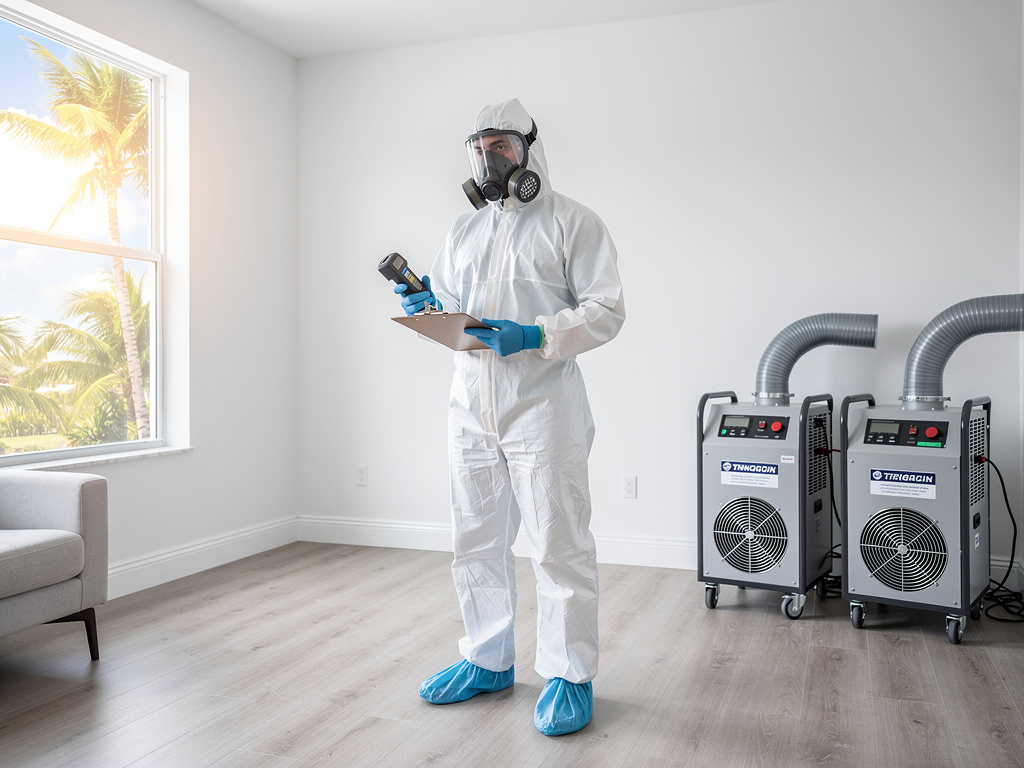
Understanding the Critical 48-72 Hour Response Window
In West Palm Beach, FL, rapid response following water damage is essential to prevent mold growth, especially the hazardous Stachybotrys chartarum, commonly known as black mold. According to the IICRC and EPA guidelines, mold spores can begin to colonize within 48-72 hours after moisture exposure. This period is the golden window to extract water and begin drying before mold spores settle and proliferate.
Delaying action beyond this window, common during storms or flooding events in neighborhoods like Grandview Heights or SoSo, increases the risk of mold infestation, structural damage, and health hazards.
Proper Water Extraction and Drying Equipment for West Palm Beach Homes
Effective water removal is the first step to halting mold growth. Extraction equipment such as commercial-grade pumps and weighted extractors are necessary to remove standing water quickly and efficiently. Following extraction, drying equipment including axial air movers and negative air machines with HEPA filtration help circulate air and remove airborne spores.
In West Palm Beach’s humid climate, standard drying methods are often insufficient. High-capacity dehumidifiers designed for tropical and subtropical environments must be employed to reduce ambient humidity consistently below 50%, inhibiting mold growth.
Dehumidifier Sizing for the West Palm Beach Climate
Due to West Palm Beach’s average relative humidity levels hovering around 70-80%, selecting the correct dehumidifier size is crucial. Professionals typically recommend units rated between 70-120 pints per day for average residential water damage scenarios. Oversized or undersized units can prolong drying times or waste energy.
In areas like Northwood, where older homes may have limited ventilation, customized drying plans using multiple dehumidifiers positioned strategically ensure thorough moisture removal from walls, flooring, and hidden cavities.
Moisture Meter Thresholds: Monitoring and Controlling Mold Risks
Moisture meters are vital tools used during remediation to measure moisture content in building materials. According to IICRC standards, materials with moisture content above 16% are at high risk for mold growth and require immediate drying.
Continuous monitoring helps technicians track drying progress and decide when materials are safe enough for repairs. For example, drywall and wood framing in SoSo homes should be dried to below 12% moisture content to minimize mold risk effectively.
Post-Drying Inspection Protocols to Confirm Mold Prevention
Once drying is complete, a thorough inspection is critical. This includes visual checks for discoloration or mold spots, air quality testing using spore traps, and surface sampling when necessary. Use of HEPA-filtered vacuums during cleaning reduces residual spores.
Incorporating an antimicrobial treatment on surfaces after drying further inhibits mold colonies. This step is especially important in West Palm Beach’s moist environment where spores can remain dormant but viable.
When to Delay Repairs vs. Act Immediately
Timing repairs after water damage must balance mold prevention with structural recovery. If moisture meters show readings above safe thresholds or if visual signs of mold remain, repairs should be delayed to avoid sealing in moisture or mold.
Conversely, once drying goals are met and inspections confirm safe moisture levels, rebuilding and repairs can proceed promptly. Acting too soon risks trapping moisture, while waiting too long can lead to secondary damage and higher costs.
Step-by-Step Process for Preventing Mold After Water Damage
- Respond within 48-72 hours: Quickly assess and begin water extraction to prevent mold colonization.
- Extract standing water: Use commercial pumps and weighted extractors for efficient removal.
- Deploy appropriate drying equipment: Air movers and HEPA-filtered negative air machines circulate air and capture spores.
- Use properly sized dehumidifiers: Select units rated for West Palm Beach’s high humidity to maintain levels below 50%.
- Monitor moisture levels: Employ moisture meters regularly to ensure materials dry below 12-16% thresholds.
- Conduct post-drying inspections: Visual checks, air quality tests, and surface sampling confirm mold absence.
- Apply antimicrobial treatment: Treat surfaces to prevent dormant spores from becoming active.
- Decide on repair timing: Delay rebuilding until moisture readings are safe; act immediately once confirmed.
Frequently Asked Questions
How quickly should I start water damage remediation to prevent mold in West Palm Beach?
Remediation should start within 48 to 72 hours after water damage occurs. This rapid response window is critical to prevent mold spores from settling and growing, especially in West Palm Beach’s humid climate.
What moisture levels are considered safe to proceed with repairs after drying?
Materials like wood and drywall should be dried to moisture content below 12-16%. Monitoring with moisture meters ensures repairs only begin when it’s safe, preventing mold growth and structural issues.
Are antimicrobial treatments necessary after drying, and why?
Yes, antimicrobial treatments help eliminate residual mold spores and inhibit new growth. They are especially important in humid areas like Grandview Heights and Northwood to maintain a mold-free environment after remediation.
West Palm Beach Mold Remediation Pros
2101 Vista Pkwy, West Palm Beach FL 33411
(561) 594-5900
Get a Free Mold Inspection in West Palm Beach
Same-day response across Palm Beach County. IICRC-certified technicians. No obligation.
2101 Vista Pkwy, West Palm Beach, FL 33411
(561) 594-5900 | IICRC Certified | Same-Day Response