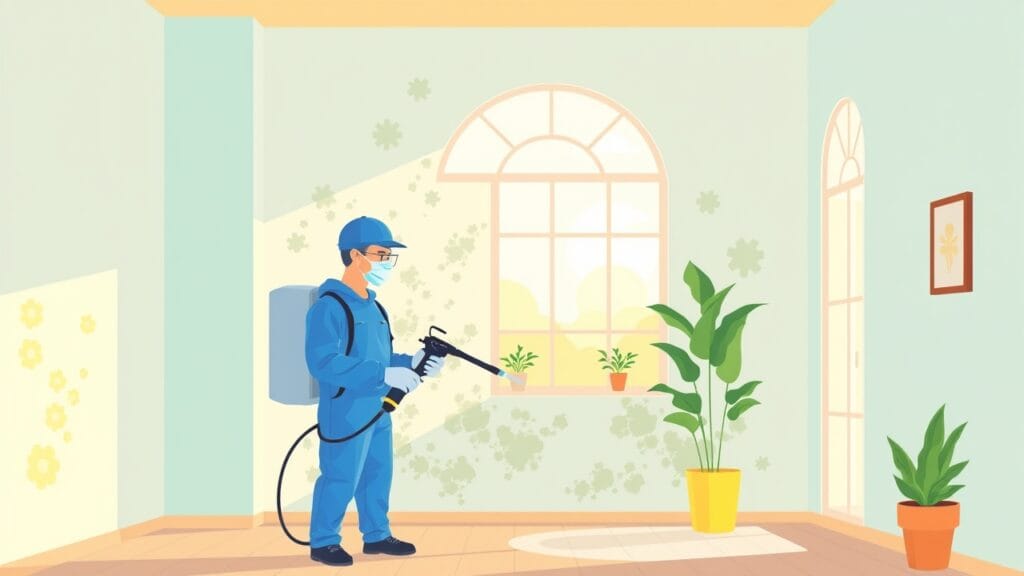
Crawl Space Mold Removal in West Palm Beach, FL: What Most People Don’t Know
After completing crawl space mold removal jobs in West Palm Beach, FL, I can tell you exactly why most advice on this subject misses the mark — and it’s not about just spraying mold and calling it done. I’m licensed and insured here, and seen firsthand how ignoring the root cause turns what could be a simple fix into a recurring nightmare for homeowners.
Crawl space mold removal in West Palm Beach, FL requires specialized treatment due to the region’s high humidity and frequent flooding, which create ideal conditions for mold growth. Many people don’t realize that effective remediation involves not only mold removal but also moisture control and proper ventilation to prevent recurrence. Professional services often include encapsulation and dehumidification tailored to local climate factors.
The Part Most Companies Skip: Proper Crawl Space Encapsulation for Mold
Most companies will tell you mold removal is about killing mold and drying out the area. Here’s what I’ve actually found: unless you deal with moisture intrusion and vapor barriers, the mold will come right back. Vented crawl space mold problems, common in older West Palm Beach homes, don’t just vanish by mold removal alone. The moisture keeps coming in, especially during our humid summers and frequent rains.
That’s why crawl space encapsulation for mold isn’t a luxury — it’s the foundation of a lasting solution. I use thick 20-mil polyethylene vapor barriers from trusted brands after cleaning, sealing every crack and vent. This isn’t some quick patch job — it’s a full seal that stops humidity and soil moisture from fueling mold growth.
Why Vented Crawl Space Mold Problem Solutions Need Re-Thinking
The standard advice says vent your crawl space to let moisture out. In West Palm Beach, FL, that’s usually wrong — and here’s why. Our air is almost always humid, especially around neighborhoods like Flamingo Park or near the Intracoastal. Opening vents lets humid air in, creating a damp environment inside your crawl space that screams mold growth.
The better approach is sealing those vents and installing a vapor barrier. I’ve watched homes with vented crawl spaces repeatedly fail mold remediation because they never stopped the humidity cycle. It’s a tough sell to some homeowners — vents seem “natural” — but in our climate, they do more harm than good.
Local Observations: West Palm Beach’s Humidity and Hurricane Season Fuel Mold
Here specifically, the combination of porous sandy soil and an 8-month rainy season creates a perfect storm for crawl space mold problems. After a hurricane or heavy rain, the pattern I always see is water pooling under homes in older areas like El Cid, saturating crawl spaces and pushing moisture straight through to wood framing.
The mold threat isn’t just from water sitting there; it’s the persistent moisture vapor from the soil. Even if your crawl space looks dry, without a proper vapor barrier installation, humidity seeps through concrete blocks and dirt floors, feeding mold at a microscopic level. That’s why I always recommend crawl space encapsulation with a high-quality vapor barrier and sealing all openings.
Signs of Mold in Crawl Space and What They Really Mean
How do you know if your crawl space has a mold problem? Look for these signs:
- Musty or earthy odors near floor vents or in basements
- Visible black or white mold patches on wood beams, insulation, or ductwork
- Allergy symptoms that worsen when you’re at home, such as coughing or headaches
- Warping or rotting wood supports and framing
- High humidity readings (above 60%) on a hygrometer placed in the crawl space
These aren’t just cosmetic issues. The health risks of a moldy crawl space include worsening asthma and respiratory problems, especially for kids and seniors. Black mold removal services aren’t just about looks — they’re about protecting your family. If you suspect mold, a thorough mold inspection and testing in FL is a smart next step. I use EPA-compliant test kits and HEPA-filtered vacuums for cleanup to avoid spreading spores around.
How to Get Rid of Mold in Crawl Space: What You Can Do Before Calling Me
I get asked all the time: is it safe to DIY crawl space mold removal? The short answer: maybe, but only if the mold is surface-level and the area is small. Here’s what you can do safely:
- Wear proper PPE — at minimum, an N95 respirator, gloves, and goggles.
- Remove any wet or moldy insulation carefully and dispose of it.
- Apply a mold-killing solution like Concrobium Mold Control, which I’ve found effective without harsh chemicals.
- Check for obvious moisture sources like leaks or vent openings.
If the mold covers more than 10 square feet, or if you smell persistent mustiness, you’re better off calling a professional. Mold damage restoration in West Palm Beach requires containment and thorough drying with industrial dehumidifiers—not something you want to skimp on.
What a Fair Price for Crawl Space Mold Removal Looks Like Here
How much does mold remediation cost in West Palm Beach, FL? Most of these jobs run between $1,200 and $4,500 depending on the extent of mold and whether encapsulation is included. Crawl space vapor barrier installation alone usually starts around $1,000 for an average 1,000-square-foot crawl space.
I give free estimates on everything and always explain what each stage costs upfront. If a full encapsulation isn’t required, I’ll tell you that. For urgent calls or visible black mold, I’m usually available same-day because I know how fast this can get out of hand in our Florida humidity.
Three Questions You Should Ask Before Starting Mold Remediation
- Is the moisture source identified and fixed? Removing mold without fixing leaks or humidity is just a band-aid.
- What kind of vapor barrier will be installed? Cheap plastic won’t last through our heat and humidity; I use 20-30 mil commercial-grade polyethylene.
- Do you offer a warranty on your work? I back my labor with a 5-year warranty and come back if mold returns.
More on Mold in Your Home
If you want to understand how to differentiate between common problems, I recommend checking out my post on the Mold vs Mildew Difference. It’s a quick read that clears up a lot of confusion.
FAQ: What Causes Mold in Crawl Spaces and When Should I Worry?
What causes mold in crawl spaces? Mostly moisture from soil, leaks, poor ventilation, or high indoor humidity levels. West Palm Beach’s sandy soil and rainy season only add fuel to the fire.
Is black mold more dangerous than other kinds? Black mold (Stachybotrys) can be more toxic but all mold types can cause health issues. It’s best to treat any mold seriously.
When should I schedule mold remediation? At the first signs of musty smells, visible mold, or worsening health symptoms. Early intervention saves money and stress.