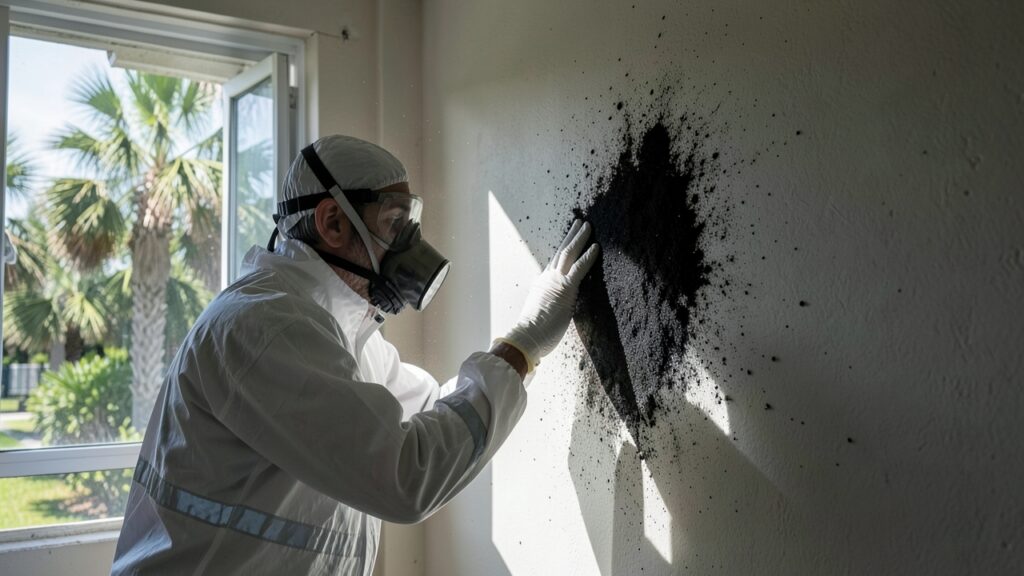
1. West Palm Beach’s Unique Mold Risk Environment
Working in mold remediation across Palm Beach County, I can confidently say that West Palm Beach presents a mold risk environment unlike many others in Florida — or the country. The county’s geography is unique, bordered on one side by the Atlantic Ocean and on the other by the vast Lake Okeechobee drainage basin. This dual-coast moisture exposure creates a nearly constant source of humidity and moisture intrusion that mold loves to exploit.
Adding to this is the Intracoastal Waterway running the full length of Palm Beach County, creating an extended corridor of high moisture levels. This waterway doesn’t just influence outdoor humidity; it impacts the microclimates of neighborhoods adjacent to it, keeping moisture trapped in the air and soils.
But the most critical factor I’ve seen in mold cases across West Palm Beach? The massive snowbird and absentee property problem. Thousands of homes sit vacant from May through November — the hottest and most humid months — with air conditioning units turned off or set to an energy-saving 85°F or higher. In South Florida’s relentless summer heat and humidity, this is a mold catastrophe waiting to happen.
When the AC is off or set too high, indoor relative humidity can soar above 70% within days. Combine that with warm temperatures, and mold spores begin colonizing surfaces in as little as 24 to 48 hours. From my firsthand experience, absentee properties often show extensive hidden damage by the time owners return in the fall. This seasonal pattern is unique to Palm Beach County and shapes nearly every mold remediation job I handle here.
2. West Palm Beach Neighborhoods with Elevated Mold Risk
Not all neighborhoods in West Palm Beach face the same risk of mold, and over the years I’ve identified several areas where conditions consistently lead to elevated mold issues. Here’s a closer look at the neighborhoods where I find mold problems most frequently — and why each presents unique challenges:
- El Cid: This historic district is full of Mediterranean Revival homes built between the 1920s and 1940s. Many of these houses retain their original wood framing without modern vapor barriers, making them highly susceptible to moisture intrusion. The dense, mature tree canopy traps humidity and limits airflow, creating a microclimate where mold thrives, especially in basements and crawl spaces.
- SoSo (South of Southern): Known for craftsman and mission-style bungalows, SoSo faces elevated risk from aging plumbing systems prone to leaks. Seasonal flooding during heavy rains is common as many lots are low-lying, allowing water to pool and saturate foundations and yards, further feeding mold growth inside homes.
- Flamingo Park: This neighborhood’s 1950s–60s concrete block homes often have flat roofs prone to water ponding. Without proper drainage, standing water seeps through aging roofing materials. Many homes still have original single-pane windows that let in humid salt air, increasing the risk of mold on interior walls facing the Atlantic.
- Northwood: A mixed-income older neighborhood where deferred maintenance is common. Proximity to the railroad corridor creates drainage challenges and frequent minor flooding. These factors lead to persistent moisture intrusion in basements, walls, and HVAC systems.
- Grandview Heights: Filled with historic homes sporting original tile roofs, this area often suffers from aging flashing and deteriorating grout lines. These failures invite moisture under roof tiles and into attic spaces, fostering hidden mold colonies that remain undetected until significant damage occurs.
- Coleman Park / Pleasant City: Located in flood zones, this neighborhood has older housing stock with a high density of rental properties. Minimal upkeep and frequent tenant turnover mean mold issues frequently go unaddressed, worsening over time.
Each of these neighborhoods reflects a unique combination of architecture, geography, and maintenance patterns that drive mold risk. Understanding these local nuances is crucial to effective mold remediation West Palm Beach FL residents require.
3. The Absentee Property Problem: Palm Beach County’s Biggest Mold Driver
One of the most significant mold drivers exclusive to Palm Beach County is the absentee property issue — a seasonal ebb and flow of home occupancy dictated by the snowbird lifestyle. From April through November, many homeowners leave their properties vacant, often setting thermostats to “economy mode” at 80°F or higher to save on energy bills.
While understandable, this practice creates ideal conditions for mold growth. When air conditioning is dialed back or turned off, indoor humidity levels can climb above 70%, especially during the region’s notoriously humid summers. Mold spores that are always present find a perfect environment to colonize walls, ceilings, and HVAC components.
From my inspections, I commonly find black streaks growing on drywall hidden behind furniture, HVAC coils carpeted in mold colonies, and bathroom ceilings completely covered in fungal growth. These aren’t just cosmetic issues; they represent health hazards and structural risks that require professional remediation.
For seasonal residents, prevention is key. I advise installing smart thermostats to maintain humidity below 60%, using dehumidifiers in high-risk areas, and arranging neighbor or property manager check-ins to catch issues early. A professional pre-departure mold inspection can document baseline conditions and spot early warning signs before they become costly problems. These steps can save thousands in remediation costs and preserve property value in West Palm Beach’s challenging climate.
4. Mold Types Most Common in Palm Beach County’s Climate
Understanding the types of mold common to Palm Beach County helps explain why remediation here requires specialized knowledge. The blend of salt air from the Atlantic, freshwater moisture from inland sources, and seasonal vacancy creates a distinct mold profile compared to nearby Miami or Fort Lauderdale.
- Stachybotrys: Often called “black mold,” Stachybotrys thrives in absentee homes where moisture has been present for prolonged periods. It prefers cellulose-rich materials like drywall and wood that have been wet for over 48 hours, making vacant seasonal homes prime targets.
- Aspergillus: Commonly found in HVAC systems, Aspergillus flourishes in high-humidity environments where condensate pans and ducts are not properly maintained. This mold can trigger allergic reactions and respiratory issues.
- Cladosporium: Typically found on exterior-facing walls, Cladosporium benefits from salt air intrusion through aging stucco and paint layers. This mold is often the first visible sign of moisture problems on building exteriors.
- Penicillium: This mold often colonizes older wood framing and attic insulation. It proliferates quickly in damp, poorly ventilated attics — a common problem in West Palm Beach’s humid summers.
- Chaetomium: Associated with flat-roof ponding water damage, Chaetomium produces a distinctive musty odor and can cause significant structural decay if left untreated.
Each of these molds responds differently to remediation methods, which is why a thorough inspection and lab testing are crucial before any treatment plan. The unique environmental conditions across Palm Beach County demand a mold remediation approach tailored to these specific fungi.
5. Warning Signs Specific to West Palm Beach Conditions
Knowing what to look for in your West Palm Beach home can help you catch mold problems early before they become major issues. Here are some warning signs I frequently encounter in my remediation work:
- Musty smell upon opening a home after seasonal vacancy: This is often the first indicator of hidden mold growth, especially in homes closed up all summer.
- Visible mold growth on window AC units running on “dry” mode: These units sometimes fail to properly dehumidify, allowing mold to grow on internal components.
- Dark staining at the base of walls: Particularly common in flood-prone neighborhoods like El Cid and Northwood, these stains often indicate long-term moisture wicking into drywall and framing.
- Health symptoms such as respiratory irritation and eye discomfort: These often peak in late spring when properties reopen after months of vacancy and mold spores become airborne indoors.
- Tile grout discoloration on flat-roof townhomes: This subtle sign can point to moisture intrusion through roofing membranes and subsequent mold growth beneath.
If you notice any of these signs, I recommend contacting a professional immediately to assess the situation. Early intervention can prevent costly structural damage and health risks associated with prolonged mold exposure.
6. The Professional Mold Remediation Process: Step by Step
Opening your seasonal home to discover mold can be overwhelming. Here’s how I guide concerned homeowners through the professional mold remediation process in West Palm Beach:
- Initial Inspection and Moisture Mapping: I start by conducting a thorough visual inspection and using moisture meters to identify damp areas hidden behind walls or under floors.
- Air Quality Sampling: Collecting air samples helps quantify spore counts and identify mold species, which informs the treatment plan.
- Containment with Negative Pressure: To prevent cross-contamination, I establish containment zones using plastic sheeting and negative air machines.
- HEPA Vacuum Removal: All mold colonies are physically removed from surfaces using HEPA-filtered vacuums to capture microscopic spores.
- Antimicrobial Treatment: I apply EPA-approved antimicrobial agents to affected areas to kill remaining mold and inhibit regrowth.
- Structural Dryout: Using industrial dehumidifiers and air movers, I dry out the structure to moisture levels safe for rebuilding or re-occupancy.
- Post-Remediation Clearance Testing: The final step involves air and surface testing to confirm mold levels have returned to normal and the home is safe.
Timelines vary based on severity. Minor cases typically take 1–2 days, moderate cases 3–5 days, and severe absentee-property scenarios with extensive moisture damage often require 1–2 weeks for full dryout and clearance. Patience during this process is critical to ensuring mold is fully eliminated.
7. Mold Remediation Cost in West Palm Beach: What to Budget
Cost is always a concern, and West Palm Beach’s market rates reflect the high demand and specialized expertise required here. Palm Beach County labor rates run approximately 15–20% above national averages, and absentee-property cases tend to be on the severe end of the spectrum because moisture has been active for months, not just days.
| Severity | Typical Range | Common Scenario |
|---|---|---|
| Minor | $500 – $1,500 | Bathroom or laundry room, isolated patch under 10 sq ft |
| Moderate | $2,000 – $6,000 | Post-water-damage room or crawl space, HVAC contamination |
| Severe | $10,000 – $30,000+ | Absentee property opened after a summer of neglect, multiple rooms affected |
For homeowners facing mold issues, it’s important to consider these cost ranges when budgeting for remediation. Keep in mind that the mold remediation services I provide are designed to deliver thorough, lasting results — which can save you money on repeated treatments down the line.
8. Homeowners Insurance and Mold Coverage in Palm Beach County
Insurance coverage for mold in Palm Beach County can be complicated, especially with the dominance of Citizens Property Insurance as a carrier. Generally, mold claims are only covered if the mold results from a “sudden and accidental” event, such as a burst pipe or storm damage. Long-term neglect or maintenance issues, common in absentee properties, are almost always excluded.
For example, a claim filed after a six-month vacancy where the AC was turned off will likely be denied as maintenance neglect. This makes pre-departure mold inspections and documented proof of property condition vital. They can help demonstrate that mold was not present before the period of vacancy.
When navigating mold insurance claims in West Palm Beach, hiring a public adjuster can sometimes be worth the cost, especially for severe or disputed claims. A knowledgeable adjuster can advocate on your behalf and increase the chances of a successful settlement.
If you are uncertain about your insurance policy’s mold coverage, I recommend consulting your agent or a professional mold remediation expert who understands the nuances of Palm Beach County’s insurance landscape.
If you suspect mold in your West Palm Beach home or rental property, don’t wait. Contact West Palm Beach Mold Remediation Pros at (561) 594-5900 for a free mold inspection at our West Palm Beach office. Early detection and professional treatment are key to protecting your health and investment.
Frequently Asked Questions About Mold Remediation in West Palm Beach, FL
How long does mold remediation take in West Palm Beach?
The duration depends on the severity of the mold issue. Minor cases, such as small patches in bathrooms, typically take 1 to 2 days. Moderate cases involving multiple rooms or HVAC contamination usually require 3 to 5 days. Severe problems, especially in absentee properties with long-term moisture, can take 1 to 2 weeks or more for full remediation and structural dryout.
Does homeowners insurance cover mold in Palm Beach County?
Most homeowners insurance policies, including those from Citizens Property Insurance, cover mold only if it results from a sudden and accidental event like a burst pipe or storm damage. Mold caused by long-term neglect, poor maintenance, or vacancy is generally excluded. It’s important to check your policy details and document your property’s condition before extended absences.
What causes mold in West Palm Beach homes?
Mold is primarily caused by moisture and humidity. In West Palm Beach, factors like the dual-coast moisture environment, seasonal flooding, poor ventilation, aging construction materials, and especially absentee property conditions (AC turned off or set high) create ideal conditions for mold growth.
How much does mold remediation cost in West Palm Beach, FL?
Costs vary based on mold severity. Minor remediation ranges from $500 to $1,500, moderate cases cost $2,000 to $6,000, and severe cases in absentee homes may exceed $10,000 to $30,000. Palm Beach County labor rates are about 15–20% above national averages, and prolonged moisture exposure in absentee homes often leads to more expensive remediation.
Can I prevent mold in my West Palm Beach home while I’m away for the summer?
Yes. Key prevention steps include setting your thermostat to maintain indoor humidity below 60%, using dehumidifiers, installing smart thermostats for remote monitoring, arranging regular neighbor or property manager inspections, and scheduling a professional mold inspection before departure to identify and address any existing issues.