Understanding Florida Statutes 83.51 and Landlord Duties Regarding Mold
Florida Statutes Section 83.51 outlines the landlord’s responsibility to comply with building, housing, and health codes, ensuring rental units are safe and sanitary. In West Palm Beach neighborhoods like SoSo and Flamingo Park, this statute extends to addressing mold growth, a common consequence of moisture intrusion or poor ventilation. Landlords must act promptly upon receiving mold complaints to prevent health risks and property damage caused by fungi such as Stachybotrys chartarum, commonly referred to as toxic black mold.
Failure to address mold issues can be seen as a breach of the implied warranty of habitability, making landlords liable for tenant health problems or property damage. This statutory duty includes maintaining proper ventilation, fixing leaks, and employing mold remediation methods compliant with standards like those from the IICRC (Institute of Inspection, Cleaning and Restoration Certification) and the EPA (Environmental Protection Agency).
Notable Florida Court Rulings on Mold Liability
Florida courts have increasingly recognized mold as a serious health and safety issue in landlord-tenant disputes. In landmark cases, courts have emphasized the duty of landlords to act promptly once mold is reported. For example, rulings have held landlords liable when tenants provide documented notice of mold, but the landlord delays remediation, resulting in tenant health problems or property damage.
Court decisions often hinge on whether the landlord had actual or constructive knowledge of the mold and whether the remediation efforts met professional standards, such as using HEPA filtration during remediation and applying antimicrobial treatment to affected areas. In neighborhoods like Grandview Heights, where older buildings may be more susceptible to moisture problems, these rulings underscore the importance of landlord vigilance.
Properly Documenting Mold Complaints
For tenants, proper documentation is essential when pursuing legal remedies. Steps include:
- Notifying the landlord in writing immediately upon discovering mold or related symptoms.
- Keeping copies of all correspondence and repair requests.
- Taking dated photographs or videos of the mold presence and any water damage.
- Seeking a professional mold inspection report certified by an IICRC-accredited specialist.
- Recording any health symptoms potentially linked to mold exposure, such as respiratory issues or allergic reactions.
This documentation creates a clear paper trail, which is invaluable should the case proceed to court or require intervention by a Florida mold attorney.
Tenant Legal Remedies Under Florida Law
Under Florida Statutes, tenants have several legal options if landlords fail to remediate mold:
- Rent Withholding: Tenants may withhold rent until the mold issue is resolved, provided they follow proper legal procedures, including timely written notice.
- Lease Termination: Persistent mold problems that materially affect habitability may justify early lease termination without penalty.
- Damages: Tenants may seek compensation for costs related to mold exposure, such as medical expenses or property damage.
However, tenants must proceed carefully and ideally consult legal counsel to navigate these remedies without breaching their lease agreements.
When to Involve a Florida Mold Attorney
In complex mold cases, especially those involving serious health concerns or significant property damage in West Palm Beach’s diverse communities like SoSo and Flamingo Park, involving a Florida mold attorney is advisable. An experienced attorney can:
- Interpret Florida Statutes 83.51 and relevant case law.
- Advise on proper documentation and communication with landlords.
- Help negotiate settlements or pursue litigation for damages.
- Coordinate with mold remediation experts to ensure compliance with IICRC and EPA guidelines.
Prompt legal advice can protect tenants’ rights and encourage landlords to fulfill their legal obligations swiftly.
Mold Remediation Best Practices Backed by Industry Standards
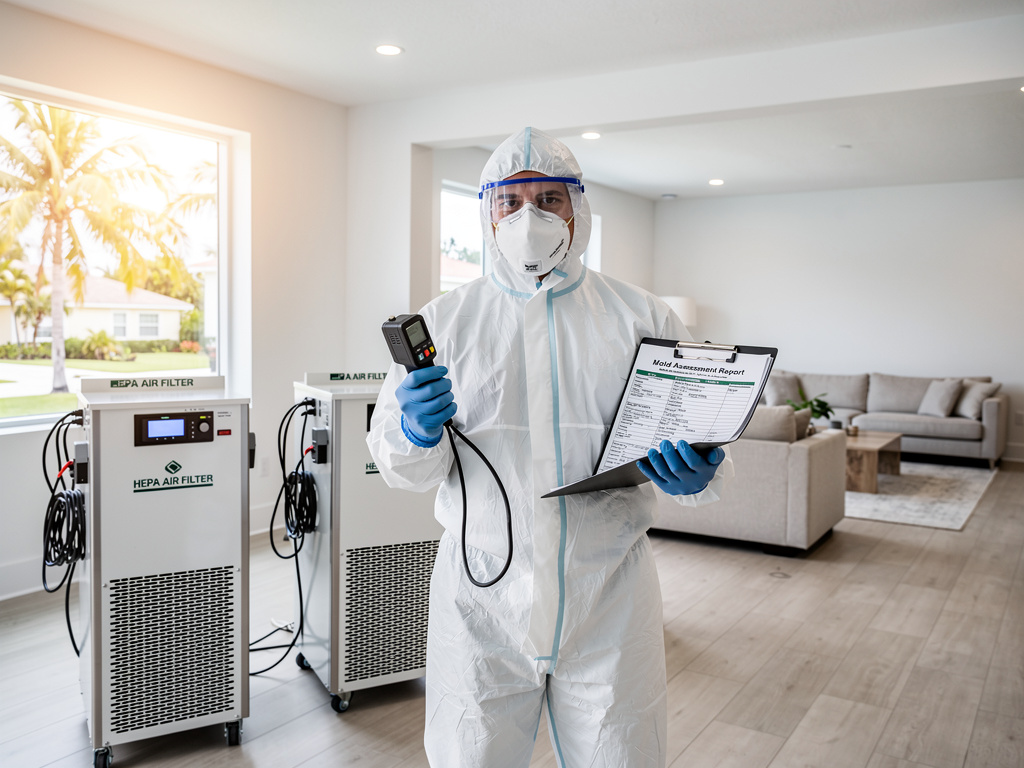
Effective mold remediation in West Palm Beach requires adherence to recognized industry standards. The IICRC provides detailed protocols for mold inspection and removal, emphasizing containment, removal of contaminated materials, use of HEPA filtration to clear airborne spores, and application of antimicrobial treatment to inhibit regrowth. The EPA also recommends controlling moisture sources to prevent mold recurrence.
Professional remediation companies serving neighborhoods such as Grandview Heights and SoSo are equipped to handle these standards, protecting both property and occupant health from fungi like Stachybotrys chartarum. Tenants should insist on these protocols being followed to ensure comprehensive mold removal.
Summary: Navigating Mold Liability in West Palm Beach
Landlords in West Palm Beach must comply with Florida Statutes 83.51 by maintaining mold-free rental properties and promptly addressing tenant complaints. Courts have set legal precedents holding landlords liable for neglecting mold issues, especially when professional remediation standards are ignored.
Tenants should document all mold-related issues thoroughly and know their legal remedies, including rent withholding and lease termination. Consulting a Florida mold attorney can provide crucial guidance to protect tenant rights and ensure proper remediation.
For expert mold inspection and remediation in West Palm Beach neighborhoods like Flamingo Park and SoSo, contact West Palm Beach Mold Remediation Pros at 2101 Vista Pkwy, West Palm Beach FL 33411, or call (561) 594-5900.
Frequently Asked Questions
What legal obligations do landlords have regarding mold under Florida law?
Under Florida Statutes 83.51, landlords must maintain rental properties in compliance with health and safety codes, including addressing mold complaints promptly to ensure habitability and prevent health hazards.
Can tenants legally withhold rent if their landlord ignores mold problems?
Yes, tenants may withhold rent if mold issues significantly affect habitability and the landlord fails to act after proper written notice. However, tenants should follow legal procedures carefully and consider consulting an attorney.
When should I contact a mold attorney in West Palm Beach?
If mold contamination causes health issues or property damage and the landlord is unresponsive, or if you need help understanding your rights and remedies, contacting a Florida mold attorney is advisable to navigate the legal process effectively.
Get a Free Mold Inspection in West Palm Beach
Same-day response across Palm Beach County. IICRC-certified technicians. No obligation.
2101 Vista Pkwy, West Palm Beach, FL 33411
(561) 594-5900 | IICRC Certified | Same-Day Response