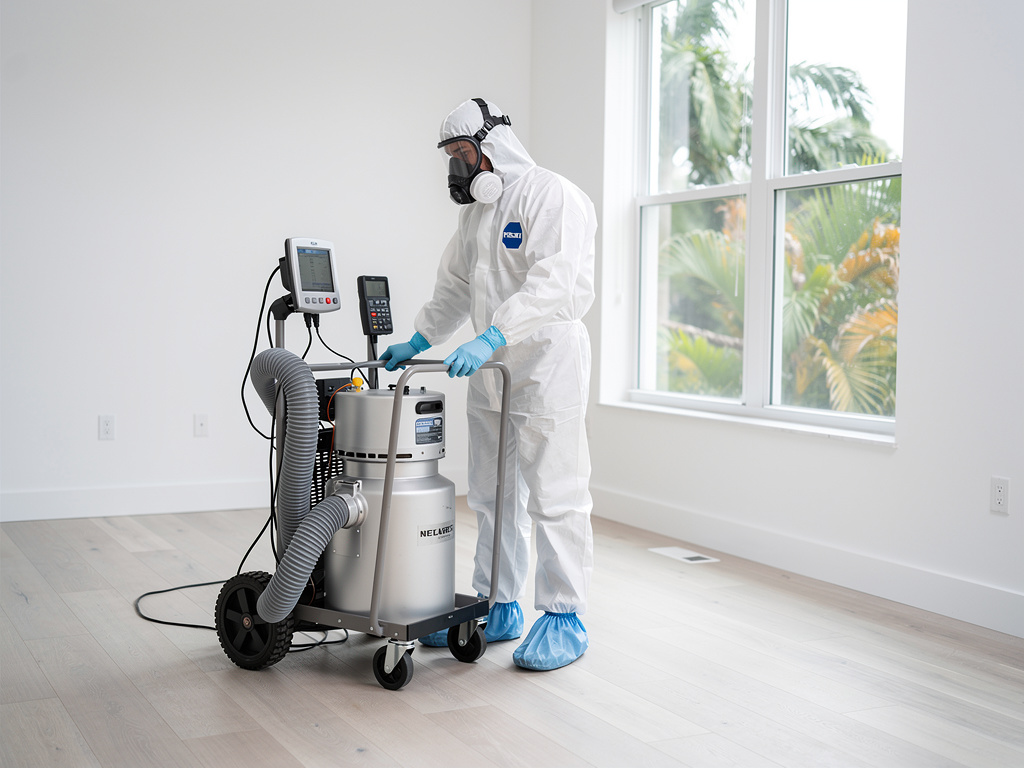
The Impact of Florida Humidity on Mold Growth in West Palm Beach
West Palm Beach, Florida, is known for its warm, tropical climate, but the city’s consistently high humidity levels play a critical role in mold growth. The average relative humidity (RH) in West Palm Beach ranges from 75% to 80%, well above the mold growth threshold of 60% RH established by organizations like the EPA and IICRC. This elevated moisture level creates an ideal environment for mold species such as Stachybotrys chartarum and other common molds to thrive.
Because of this, residents and businesses in West Palm Beach face a higher risk of mold infestation year-round. Neighborhoods like El Cid and SoSo frequently report moisture-related building concerns, partly due to the age of some structures and the high ambient humidity. Understanding these conditions is crucial for proper mold inspection and remediation strategies.
Why West Palm Beach Is One of the Highest-Risk Cities for Mold
Florida’s tropical climate means warm temperatures combined with high moisture content in the air—two critical factors for mold development. West Palm Beach’s average daily RH levels consistently hover between 75% and 80%, exceeding the 60% relative humidity level recognized as the tipping point for mold spore germination and colony expansion.
This persistent moisture combined with seasonal rainfall patterns and occasional flooding events leads to increased water intrusion in homes, especially in older neighborhoods like Flamingo Park. Buildings without adequate moisture barriers or ventilation systems are particularly vulnerable, causing mold to develop behind walls, under flooring, and in HVAC systems.
Seasonal Humidity Patterns and Mold Growth
While West Palm Beach experiences high humidity year-round, there are seasonal fluctuations that impact mold growth:
- Summer (June to September): Peak humidity and heat coincide with frequent afternoon thunderstorms, raising indoor moisture levels.
- Winter (December to February): Slightly lower humidity but still above mold growth thresholds, allowing mold to persist indoors unless moisture is controlled.
- Spring and Fall: Transitional periods with varying humidity, requiring homeowners to remain vigilant.
These patterns demonstrate why mold inspections should not be limited to a single season. Continuous monitoring and maintenance are necessary to address moisture issues promptly.
Air Conditioning as the First Line of Defense Against Mold
In West Palm Beach, air conditioning (AC) systems are essential not only for comfort but also for controlling indoor humidity. Properly maintained AC units reduce indoor RH levels below mold growth thresholds by removing moisture from the air. However, if AC systems are neglected, they can become breeding grounds for mold due to condensation buildup.
Regular AC maintenance should include:
- Cleaning and replacing filters, preferably using HEPA filtration for improved air quality.
- Checking and clearing condensate drain lines to prevent water accumulation.
- Ensuring ducts are sealed and free from mold contamination.
Effective humidity control through AC is often the first recommendation from mold remediation professionals in West Palm Beach neighborhoods such as El Cid and Flamingo Park.
Inspection Frequency Recommendations for West Palm Beach Residents
Given the high humidity and risk factors, the IICRC and EPA recommend more frequent mold inspections in West Palm Beach than in drier regions. Here are general guidelines:
| Inspection Frequency | Recommended For | Reason |
|---|---|---|
| Biannual (Every 6 Months) | Homes with previous mold issues, older buildings in SoSo, Flamingo Park | High humidity and history of moisture problems increase mold risk |
| Annual | Newer homes, buildings with good ventilation and AC maintenance | Routine check to catch early signs of moisture intrusion |
| As Needed | After flooding, roof leaks, or plumbing failures | Water intrusion events greatly increase mold growth potential |
Professional inspections typically employ moisture meters, thermal imaging, and air sampling to identify hidden mold colonies, especially of dangerous species like Stachybotrys chartarum. Early detection allows for timely remediation and reduces health risks.
Common Mold Growth Symptoms and Causes in West Palm Beach Homes
| Symptom | Cause | Recommended Action |
|---|---|---|
| Musty Odor | Hidden mold colonies producing microbial volatile organic compounds (MVOCs) | Schedule a professional mold inspection and air quality test |
| Visible Mold Growth | Prolonged moisture exposure on surfaces like walls or ceilings | Immediate remediation and antimicrobial treatment to prevent spread |
| Health Symptoms (Allergies, Respiratory Issues) | Exposure to mold spores including Stachybotrys chartarum | Remove mold sources and improve indoor air filtration with HEPA filters |
| Condensation on Windows | High indoor humidity and poor ventilation | Use dehumidifiers and maintain AC systems regularly |
Professional Mold Remediation Methods
Effective mold remediation in West Palm Beach combines thorough cleaning, removal of contaminated materials, and antimicrobial treatment to prevent regrowth. Remediation experts also recommend using HEPA filtration during cleanup to trap mold spores from the air, minimizing cross-contamination.
Following IICRC standards ensures that remediation is safe, effective, and compliant with industry best practices. Whether in historic neighborhoods like El Cid or newer developments, proper remediation protects both the property and occupant health.
Conclusion
West Palm Beach’s high humidity levels create a perfect storm for mold growth, demanding vigilant inspection and prevention efforts. From seasonal monitoring to regular AC maintenance and professional remediation, understanding the local climate’s impact on mold is essential for homeowners and businesses alike. If you live in West Palm Beach neighborhoods such as SoSo or Flamingo Park, adhering to these guidelines can help you stay mold-free and maintain a healthy indoor environment.
Contact West Palm Beach Mold Remediation Pros for expert mold inspections and remediation services.
2101 Vista Pkwy, West Palm Beach FL 33411 | (561) 594-5900
Frequently Asked Questions
How does West Palm Beach’s humidity affect mold growth compared to other cities?
West Palm Beach’s average humidity of 75-80% RH is significantly higher than many U.S. cities, often exceeding the 60% RH mold growth threshold. This creates a more favorable environment for mold spores to germinate and spread, increasing the risk of infestations.
How often should I schedule mold inspections in West Palm Beach?
It’s recommended to have mold inspections at least once a year for most homes, but biannual inspections are advisable for properties with previous mold issues or located in high-risk neighborhoods like SoSo and Flamingo Park. Additional inspections may be necessary after flooding or leaks.
Can air conditioning alone prevent mold growth in Florida homes?
While air conditioning helps reduce indoor humidity and is a vital first line of defense, it must be properly maintained with clean filters and functioning drainage. AC alone cannot guarantee mold prevention if there are water leaks or poor ventilation that allow moisture buildup.
Get a Free Mold Inspection in West Palm Beach
Same-day response across Palm Beach County. IICRC-certified technicians. No obligation.
2101 Vista Pkwy, West Palm Beach, FL 33411
(561) 594-5900 | IICRC Certified | Same-Day Response